Politeknik Negeri Malang Explained: How Indonesia's Technical College Works
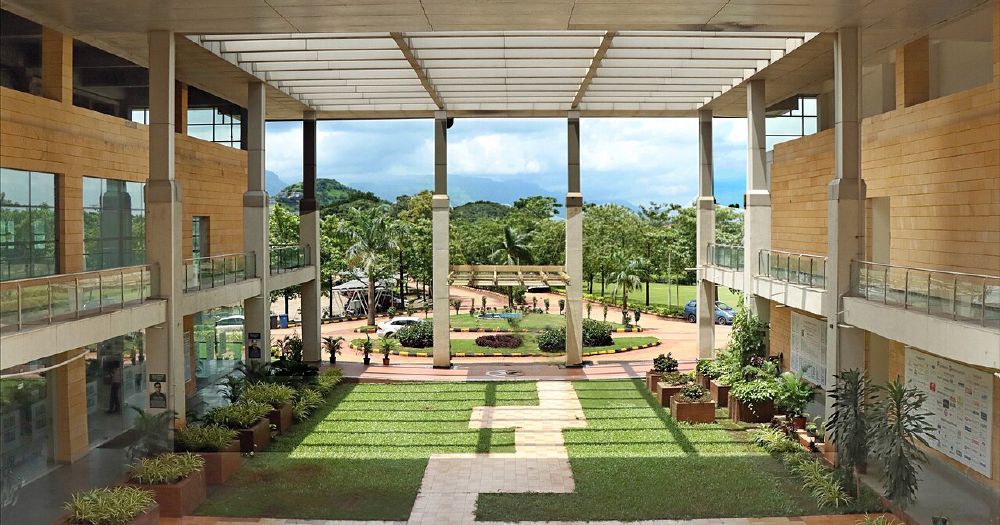
If you are researching higher education options in East Java, Indonesia, Politeknik Negeri Malang — commonly known as Polinema — is a name that comes up quickly. It is one of the country's leading state polytechnics, and its reputation rests on a straightforward premise: preparing graduates for immediate, practical careers in technical and vocational fields. Understanding how the institution actually functions can help prospective students, parents, and employers make better decisions.
Unlike a conventional university, a polytechnic operates on a fundamentally different educational philosophy. The emphasis here is on applied skills rather than purely theoretical knowledge, which shapes everything from how courses are structured to how students spend their time on campus. Knowing those differences is the first step to understanding what Polinema offers and why it attracts thousands of applicants each year.

How the Academic System Is Organized
Polinema operates under Indonesia's national higher education framework, supervised by the Ministry of Education, Culture, Research, and Technology. Within that system, it holds the status of a state polytechnic, which means it is publicly funded and subject to national accreditation standards set by bodies such as BAN-PT, the National Accreditation Board for Higher Education.
The institution offers programs at several credential levels. The most common entry point is the Diploma 3 (D3) program, a three-year course of study that leads to a professional diploma. Students who want to advance can continue into a Diploma 4 (D4) program, which runs four years and is considered equivalent in standing to a bachelor's degree. Some departments also offer postgraduate pathways. Each level is structured around a credit system called the SKS (Satuan Kredit Semester), which measures how many hours of study, practice, and project work a course requires per semester.
Departments at Polinema cover a broad range of technical disciplines, including engineering, information technology, business administration, and accounting. Each department is further divided into study programs, so students choose a specific specialization from the moment they enroll rather than selecting a major after a year or two of general coursework.
What Makes the Learning Approach Different
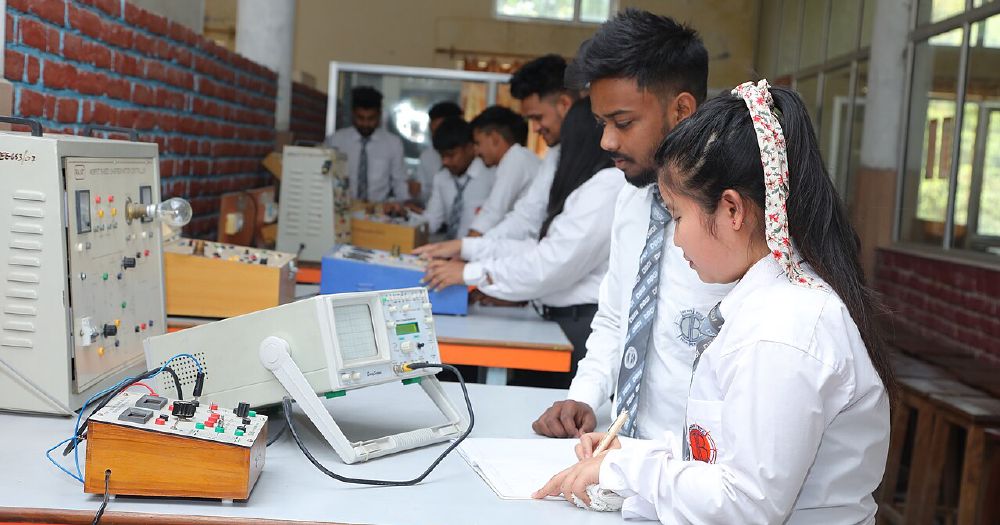
The defining feature of polytechnic education in Indonesia is the applied learning model. At Polinema, a significant portion of class time takes place in workshops, laboratories, and project studios rather than lecture halls. The goal is to ensure that a student who graduates with a diploma in, say, mechanical engineering or network administration can step into a job and perform competent, hands-on work from the first day.
This approach has several concrete components:
- Practical sessions run alongside every theoretical module, often in a ratio that gives lab and workshop time equal or greater weight than lectures.
- Industry internships, known locally as Praktik Kerja Lapangan (PKL), are mandatory for all students and typically take place during the later semesters.
- Final projects are usually applied in nature, requiring students to solve a real technical problem or build a functioning system rather than write a purely academic thesis.
- Competency certifications from recognized professional bodies are encouraged, and some programs integrate certification preparation directly into the curriculum.
This structure means the academic calendar is dense and the workload is practical. Students are expected to be in laboratories or workshops regularly, not just attending lectures a few times a week.
Admission, Costs, and Student Life
Admission to Polinema follows Indonesia's national higher education selection routes. Prospective students can apply through the SNBP pathway, which is based on school achievement records, or through the SNBT pathway, which involves a standardized national entrance examination. There is also an independent selection route managed directly by the institution for applicants who do not secure a place through the national pathways.
Because Polinema is a state institution, tuition is regulated and structured according to a UKT (Uang Kuliah Tunggal) system. UKT is a single, all-inclusive tuition fee set on a sliding scale based on a family's financial capacity. This means students from lower-income households pay less than those from higher-income backgrounds, making state polytechnic education more accessible than many private alternatives.
Campus life reflects the institution's practical orientation. Student organizations, competitions, and extracurricular groups tend to revolve around technical skills — robotics clubs, coding competitions, and engineering contests are common. Polinema students also regularly participate in national-level skills competitions, which serve both as professional development and as a form of quality demonstration to potential employers.
A Practical Path Worth Considering
Politeknik Negeri Malang offers a clearly defined route for students who want technical expertise, faster entry into the workforce, and a credential recognized by Indonesian employers. Its applied curriculum, mandatory internships, and competency-focused programs distinguish it from conventional universities. For anyone weighing higher education options in East Java, understanding how Polinema works — not just that it exists — is the most useful place to start.