Living in Malang, East Java: Honest Pros, Cons, and Who Should Move There
Malang sits in the highlands of East Java, roughly 90 kilometers south of Surabaya, and it has been drawing attention from travelers, remote workers, and retirees for years. By 2026, that interest has only grown, fueled by Indonesia's expanding digital infrastructure and a growing awareness that life does not have to be lived in a megacity to be comfortable and affordable. Malang offers something genuinely different: cool mountain air, a relatively relaxed pace, and a cost of living that remains low by regional standards.
But no city is universally right for everyone, and Malang comes with real trade-offs that deserve honest examination. Whether you are considering a short-term stay, a longer relocation, or simply trying to understand what makes this city tick, the following breakdown covers the practical reality of daily life here — what works well, what can frustrate, and which kinds of people tend to thrive in this corner of East Java.

What Makes Malang an Appealing Place to Live
The most immediate draw is the climate. Malang sits at an elevation of roughly 450 to 500 meters above sea level, which keeps temperatures noticeably cooler than coastal Javanese cities. Daytime highs typically hover in the mid-20s Celsius rather than the punishing 30s you encounter in Surabaya or Jakarta. For anyone who finds tropical heat exhausting, this alone is a significant quality-of-life factor.
The city also has a strong student population, anchored by several universities including Universitas Brawijaya and Universitas Negeri Malang. That academic presence shapes the culture in useful ways: there are bookshops, affordable cafes, lively public spaces, and a younger demographic that keeps the social scene accessible and relatively open. English proficiency, while not universal, is higher here than in many smaller Indonesian cities, which eases daily life for foreigners who are still building their Bahasa Indonesia skills.
Affordability rounds out the appeal. Rented accommodation, local food, and transportation remain genuinely inexpensive. A simple meal at a warung — a small local food stall — can cost well under the equivalent of a dollar, and comfortable guesthouses or mid-range apartments are available at prices that feel remarkable by the standards of most Western countries or even Jakarta.

The Practical Challenges You Should Expect
Traffic is the most commonly cited frustration, and it is worth taking seriously. Malang's road network was not designed for its current population size, and congestion during morning and evening rush hours can turn short distances into lengthy ordeals. The city has made efforts to improve infrastructure, but road widening and public transit upgrades tend to move slowly. Most residents navigate by motorbike, which is efficient but requires comfort with Indonesian traffic conditions — a genuine adjustment for those unfamiliar with it.
Air quality fluctuates, particularly in the dry season and in areas closer to the main commercial corridors. The city is not heavily industrialized, but vehicle emissions accumulate in the enclosed highland geography. This is rarely severe enough to be a health crisis for most people, but those with respiratory sensitivities should factor it in.
Healthcare access is another area requiring realistic expectations. Malang has hospitals and clinics that handle everyday needs well, but for complex or specialized medical care, patients often travel to Surabaya. Expats and long-term visitors should carry comprehensive international health insurance and be prepared for some administrative complexity when using local facilities.
Malang's Culture, Food, and Social Life
Malang has a distinct identity within Java. The city carries visible colonial-era architecture in its older neighborhoods — wide tree-lined boulevards and Dutch-style buildings that give parts of the city a character you do not find in more aggressively modernized Indonesian cities. The nearby town of Batu, effectively part of the greater Malang area, adds easy access to apple orchards, strawberry farms, and family-friendly attractions that are popular with domestic tourists.
Food is one of Malang's genuine strengths. The city is known for several regional specialties:
- Bakso Malang — a popular meatball soup served with noodles and various toppings, widely considered among the best versions in Indonesia
- Cwie Mie — a local egg noodle dish with distinct toppings that reflects Chinese-Indonesian culinary influence
- Rawon — a dark beef soup made with black keluak nuts, earthy and rich in flavor
- Orem-orem — a Malang specialty involving jackfruit and tofu in a coconut milk broth
Beyond food, the social scene benefits from the student population. Cafes, night markets, and weekend events are plentiful. The city is not a nightlife hub in the way Bali or Jakarta are, but it offers enough to keep most people engaged without feeling isolated. Community groups for expats and digital nomads have also grown steadily, making it easier to build a social network from scratch.
Who Is Malang Best Suited For?
Malang fits a specific kind of person well. Remote workers who earn in stronger currencies and want to stretch their income without sacrificing comfort find the city close to ideal. The combination of reliable enough internet in established areas, affordable accommodation, and a pleasant climate makes it a practical base for months at a time. Co-working spaces have expanded in recent years, giving those who need a professional environment outside the home a reasonable number of options.
Retirees — particularly those from countries with expensive healthcare and housing costs — are another natural fit, especially if they are comfortable with a slower pace, can manage basic Bahasa Indonesia, and are not dependent on specialized medical care locally. The cool climate and relaxed atmosphere appeal strongly to this group.
Students and budget travelers passing through the region also benefit from Malang's position as a gateway. It sits within reasonable distance of several significant natural and cultural sites:
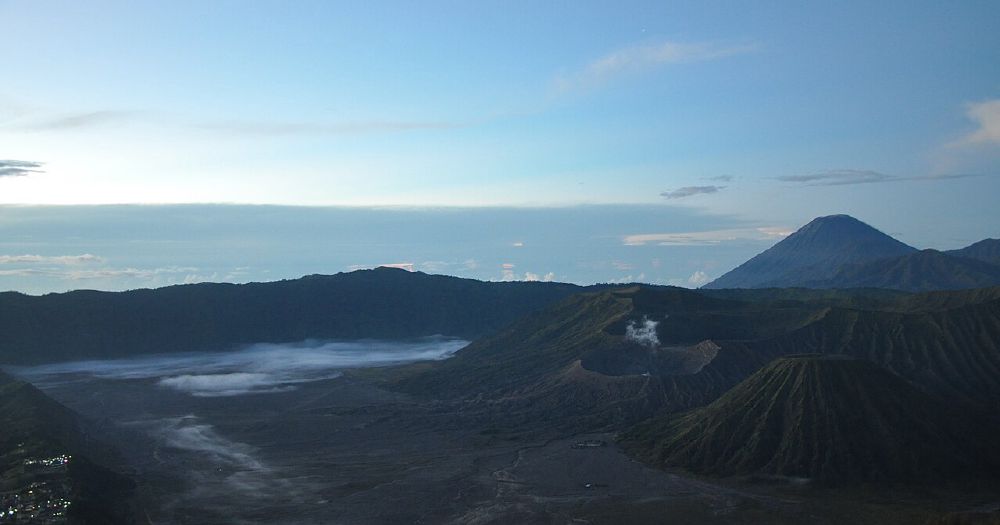
- Mount Bromo — the iconic active volcano and one of Indonesia's most visited natural landmarks, accessible on a day trip or overnight excursion
- Semeru — a trekking destination for serious hikers seeking one of Java's highest peaks
- Tumpak Sewu waterfall — a dramatic multi-stream waterfall in the surrounding highlands
Malang is less well suited to people who need consistent access to international-standard medical facilities, those who depend on fast and predictable urban transit, or anyone seeking the kind of professional networking opportunities concentrated in Jakarta or Surabaya. Families with children should research schooling options carefully, as international schools are limited compared to larger Indonesian cities.
Conclusion
Malang, East Java is not a city that overpromises. It offers real advantages — affordability, a comfortable climate, strong food culture, and a welcoming if low-key social environment — alongside genuine limitations in infrastructure, healthcare access, and connectivity to international services. By 2026, it has matured enough as a destination that the basics are well-established, but it retains the character and cost structure of a secondary city rather than a polished expat hub. For the right person, that balance is exactly the point. Approach it with clear expectations, and Malang has a great deal to offer.