Cuaca Malang Hari Ini: A Complete Beginner's Guide to Understanding It
If you have ever looked out the window in Malang and wondered why the morning feels cool and clear while the afternoon brings sudden heavy rain, you are not alone. Malang, a city situated in the highlands of East Java, Indonesia, is well known for its unpredictable and frequently shifting weather patterns. For newcomers, students, or anyone planning a day out, making sense of local weather conditions can feel genuinely confusing at first.
This guide is designed to help you understand the basics of Malang's daily weather, where to find reliable forecasts, and how to interpret what you see so you can plan smarter. Whether you are a visitor, a new resident, or simply curious about why Malang feels so different from coastal Indonesian cities like Surabaya or Jakarta, the information here will give you a solid starting point.

Why Malang's Weather Behaves the Way It Does
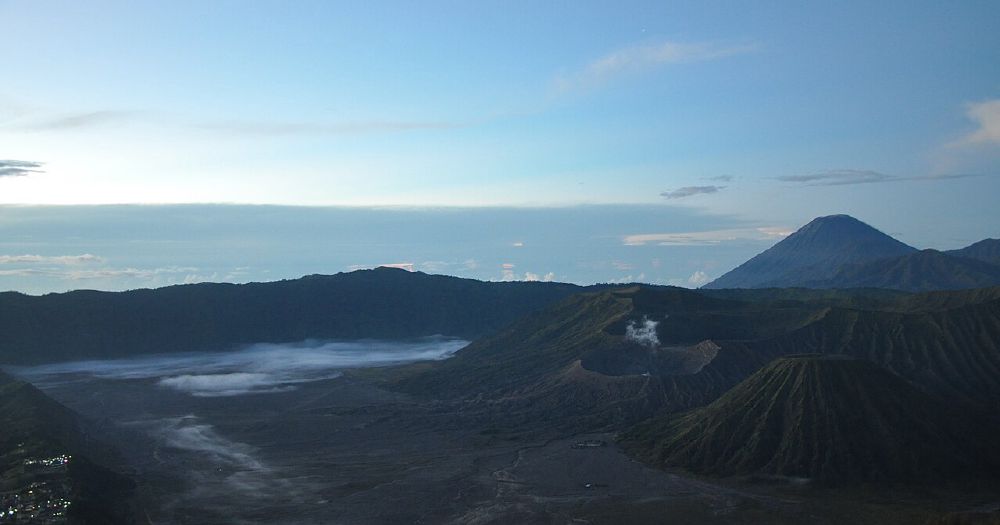
Malang sits at an elevation of roughly 400 to 600 meters above sea level, depending on the neighborhood, and it is surrounded by volcanic mountains including Semeru, Arjuno, and Bromo. This geography is the single biggest reason the city feels noticeably cooler and more humid than most other cities in East Java. Elevation causes temperatures to drop as altitude rises, a basic principle known as the environmental lapse rate, which means that for every 100 meters you climb, air temperature generally falls by a small but measurable amount.
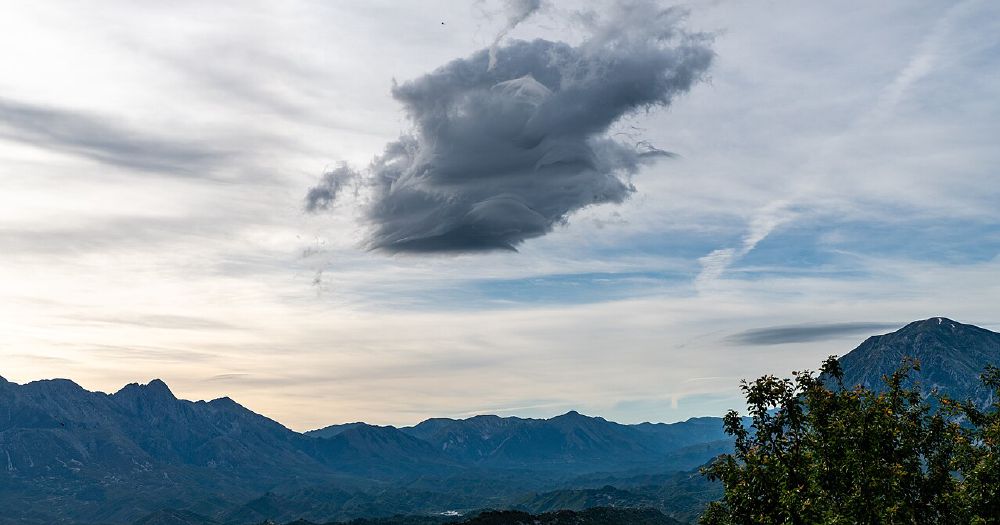
The surrounding mountains also trap moisture-laden winds blowing in from the ocean, which causes clouds to build up over the city quickly, especially in the afternoon. This is why Malang regularly experiences what locals call hujan sore, or afternoon rain, during the wet season. The rain often arrives fast, is heavy for a short period, and then clears up before evening.
Indonesia as a whole experiences two main seasons: the wet season (musim hujan), which typically runs from roughly October through April, and the dry season (musim kemarau), which covers the remaining months. In Malang, the wet season brings frequent afternoon showers and higher humidity, while the dry season is marked by clearer skies, lower humidity, and noticeably cooler nights.
How to Check Cuaca Malang Hari Ini Reliably
"Cuaca Malang hari ini" is simply Indonesian for "Malang weather today." Knowing where to check this information accurately can save you from getting caught in a downpour or overdressing on a warm afternoon. Several sources are worth bookmarking.
- BMKG (Badan Meteorologi, Klimatologi, dan Geofisika): This is Indonesia's official meteorological agency. Their website and mobile app provide hourly and daily forecasts specifically for Malang and its surrounding districts. BMKG data is government-sourced and generally the most authoritative.
- Weather apps with local data: Apps that pull from multiple weather stations often give more granular forecasts for specific neighborhoods within Malang, which matters because conditions can vary between the city center and areas closer to the mountains.
- Local news and social media: Regional news outlets and community groups on social platforms often share real-time weather updates and alerts, especially during extreme events.
When reading a forecast, pay attention to a few key numbers: temperature (suhu), which in Malang typically ranges from the low 20s Celsius at night to the upper 20s during the day; humidity (kelembaban), which can feel oppressive when it climbs above 80 percent; and rainfall probability (peluang hujan), usually expressed as a percentage. A 70 percent or higher chance of rain on an afternoon forecast in Malang is worth taking seriously.
Practical Tips for Dealing with Malang's Daily Weather
Understanding the forecast is only useful if you act on it. A few straightforward habits will help you stay comfortable and dry regardless of what the day brings.
First, always carry a compact umbrella or a light rain jacket when heading out, especially if you plan to be outside between noon and 6 p.m. during the wet season. Afternoon showers in Malang can arrive within minutes of the first clouds appearing, and the rain can be heavy enough to drench you quickly.
Second, dress in light, breathable layers. Mornings in Malang can feel genuinely cool, particularly in higher-elevation neighborhoods, but midday can feel warm and humid. A light layer you can remove easily is far more practical than a heavy jacket you end up carrying all day.
- Check the forecast the night before, not just the morning of, so you can plan your schedule around likely rain windows.
- If you are traveling to surrounding areas like Batu or the national park zones near Bromo, expect temperatures to be several degrees cooler and fog to be more common.
- During the dry season, the air in Malang can become dry enough that staying well hydrated matters more than usual.
Finally, keep in mind that mountain weather can change faster than forecast models predict. Even on days with a low rain probability, a brief shower is always possible in Malang. Treating the forecast as a useful guide rather than a guarantee is the right mindset.
Conclusion
Malang's weather is one of the things that makes the city genuinely distinctive within Indonesia. Its highland position, surrounding volcanic terrain, and two-season climate create a daily pattern that is cooler, greener, and more dynamic than what you find at lower elevations. By understanding why the weather behaves as it does, knowing where to find accurate forecasts from sources like BMKG, and making a few small practical adjustments to your daily routine, you can navigate cuaca Malang hari ini with confidence and far fewer wet surprises.