Citraland Puncak Tidar Malang: A Complete Buyer's Checklist for 2026
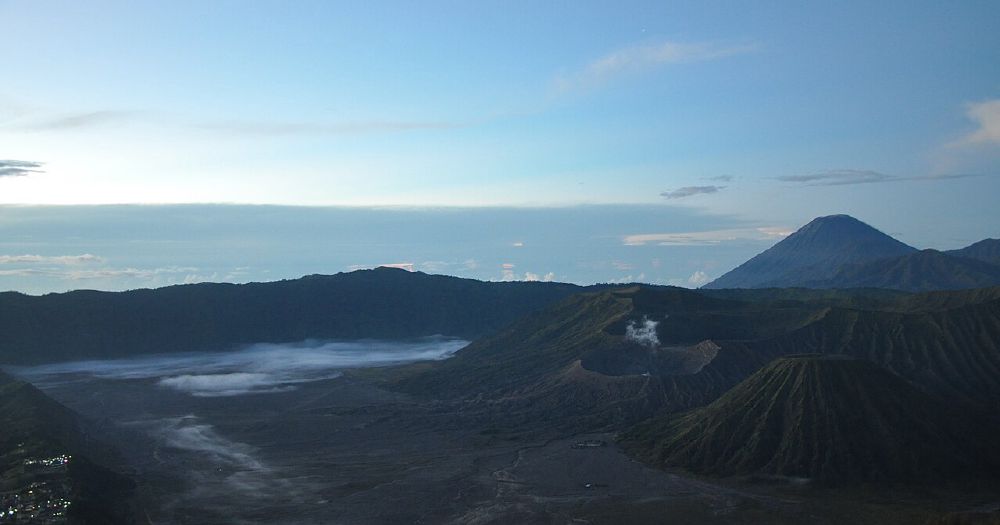
Buying property in a hillside development is a different kind of decision from purchasing a unit in a flat urban neighborhood. The elevation, the surrounding environment, and the developer's long-term vision all play roles that matter far more than they would in a standard city subdivision. Citraland Puncak Tidar in Malang sits in exactly this kind of setting — a planned residential area developed on the slopes of Tidar Hill, positioned as a premium address within one of East Java's most active secondary cities.
For anyone weighing a purchase here in 2026, the checklist approach is the most practical way to cut through marketing language and focus on what genuinely affects your investment and quality of life. This article walks through the key categories every serious buyer or decision-maker should evaluate before signing anything.


Location, Access, and Infrastructure Readiness
The first thing to assess is how the development connects to the rest of Malang. Puncak Tidar sits in the western part of the city, and while elevated terrain offers scenic views and cooler temperatures, it also introduces questions about road gradient, traffic flow during peak hours, and distance to essential services like hospitals, schools, and commercial centers.
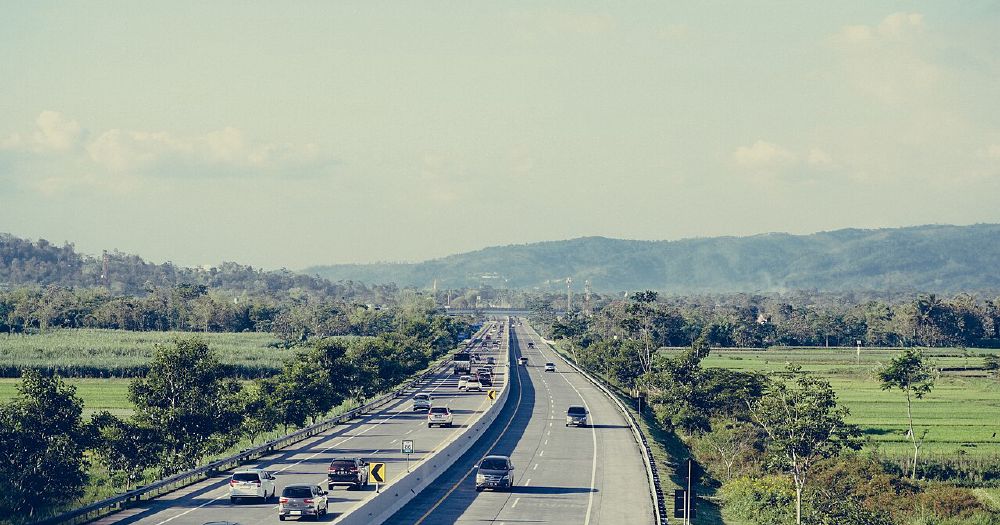
Before visiting the sales office, map out the actual drive times — not distances — to the nearest major hospital, the nearest toll road access point, and the schools relevant to your household. Hillside roads can add significant time during rain or when road maintenance is underway. Ask the developer specifically about road widths within the estate and whether internal roads are designed to accommodate emergency vehicles comfortably.
Infrastructure readiness also means utilities. Confirm that water supply, electricity connections, and drainage systems are already operational in the phase you are considering, not just planned for future phases. In tiered developments, earlier phases tend to have more complete infrastructure, while later phases may still be under construction — which affects both your move-in timeline and the surrounding environment during your early years of residence.
Developer Track Record and Legal Documentation
Citraland is a brand associated with Ciputra Group, one of Indonesia's largest and most established property developers. That association carries weight, but buyers should still conduct their own document verification rather than relying on brand reputation alone. In Indonesia's property market, the legal standing of individual parcels within a larger development can vary depending on the phase and the specific certificate type attached to each unit.
The key documents to request and verify include:
- Sertifikat Hak Guna Bangunan (SHGB) or Sertifikat Hak Milik (SHM) — understand which type applies to your unit and what the renewal implications are for SHGB titles over time
- Izin Mendirikan Bangunan (IMB) or its current equivalent under updated regulations — this confirms the building permit is in order
- Site plan approval from the local government, confirming the layout matches what is being sold
- Pertelaan documents if you are purchasing within a cluster that shares common facilities
A reputable developer will make these available for review without hesitation. If there is resistance or vague answers, treat that as a serious flag. You can also cross-check land certificate status through the Badan Pertanahan Nasional (BPN) — Indonesia's national land agency — either in person or through official digital channels.
Pricing, Payment Structure, and Long-Term Value Factors
By 2026, Malang's property market has continued to attract interest from buyers in Surabaya and Jakarta looking for secondary city investments or lifestyle properties with cooler climates. This demand context matters because it affects both current pricing and resale liquidity. However, hillside properties carry specific risks that can affect long-term value, and these deserve honest scrutiny.
Geological stability is one such factor. Tidar Hill, like many elevated areas in Java, sits in a region with volcanic soil characteristics. Ask whether the developer has conducted proper soil investigation and what slope stabilization measures are built into the construction standards. Retaining walls, drainage engineering, and building setbacks from steep gradients are not just safety concerns — they directly affect insurance costs and future resale appeal.
On the financial side, compare the payment structure carefully:
- Cash keras (hard cash) purchases typically come with a discount but require full payment within a short window
- KPR (mortgage financing) through partnered banks may offer promotional rates for the development, but verify the actual rate, loan tenure, and processing fees independently
- In-house installment plans offered directly by the developer can be flexible but often carry higher effective costs over time
Factor in the service charge or iuran pengelolaan lingkungan (IPL) — the monthly fee covering security, road maintenance, and communal facilities. In well-managed gated communities, this fee is a genuine value driver. Ask for the current IPL amount, what it covers, and whether there is a history of fee increases. A development with transparent, consistently managed IPL payments is a meaningful sign of operational maturity.
Finally, think about the rental or resale market. A premium hillside address commands higher prices but attracts a narrower pool of buyers. If liquidity matters to your investment thesis, weigh whether the property can realistically be rented to expatriates, professionals, or Malang's growing academic community — the city hosts several large universities — or whether its appeal is primarily lifestyle-driven for owner-occupiers.
Conclusion
A purchase at Citraland Puncak Tidar Malang involves more moving parts than a standard urban apartment or landed house in a flat subdivision. The elevation adds genuine lifestyle value but also introduces variables around access, geology, and infrastructure that require direct verification rather than assumptions. Working through this checklist systematically — location and connectivity, legal documents, and financial structure — gives you the clearest possible picture before committing. Take the time to visit during different times of day, speak with existing residents if possible, and consult an independent property lawyer for document review. Informed buyers make better decisions, and in a hillside development, the details matter more than the view.