Cititrans Malang: Separating Common Myths from the Real Facts
Cititrans has become one of the more recognizable names in intercity travel across Java, and its Malang routes have attracted a steady stream of passengers looking for a reliable alternative to trains and standard buses. With that popularity, however, comes a layer of misinformation. Travelers who have never used the service often arrive with assumptions shaped by word of mouth, outdated reviews, or simple confusion with other operators.
Understanding what Cititrans Malang actually offers — and what it does not — makes a real difference when you are planning a trip. Whether you are heading to Surabaya, Bandung, or another major city, knowing the facts helps you book smarter, pack appropriately, and arrive without unpleasant surprises. This article addresses the most common myths and sets the record straight.
Myth: Cititrans Malang Is Just Another Generic Bus Service
One of the most persistent misconceptions is that Cititrans operates the same way as a traditional public bus — stopping frequently, picking up passengers from roadsides, and running on loose schedules. This comparison is understandable given the number of bus operators on Java's roads, but it misses what makes the door-to-door shuttle model different.
Cititrans positions itself as a point-to-point shuttle service. In practice, this means passengers are picked up from designated locations or coordinated pickup points rather than random stops along a highway. The vehicles used are typically smaller than full-sized coaches, which allows for more flexible routing through city streets. This format is closer to a shared private transfer than a conventional intercity bus.
The practical implication for travelers is significant. You are not standing at a roadside waiting for a bus that may or may not appear. Departures are scheduled, seats are reserved in advance, and the experience is closer to a managed ride than an open-ended public transit journey. That distinction matters when you have a connection to catch or a strict arrival time in mind.
Myth: Booking Is Complicated and You Must Go In Person
Another common belief, especially among first-time users, is that securing a seat on a Cititrans Malang route requires visiting a physical office or agent. This idea may stem from older travel habits or experiences with smaller regional operators where walk-in booking was the only option.
In reality, Cititrans has expanded its booking channels considerably. As of 2026, travelers can typically reserve seats through:
- The operator's official website or app
- Third-party travel platforms that aggregate shuttle and bus routes
- Partner agents located in hotels, convenience stores, or travel counters
- Direct phone or messaging contact with local offices
The key takeaway is that you have options. Online booking, in particular, is worth using when traveling during peak periods such as public holidays or long weekends, when seats on popular routes fill up faster than many passengers expect. Booking a day or two ahead is a reasonable habit, though the right window depends on the specific route and time of year.
It is also worth confirming pickup location details at the time of booking. Because the shuttle model involves coordinated pickup points rather than a single fixed terminal, knowing exactly where to wait — and at what time — prevents the most common source of passenger frustration.
Myth: The Journey Takes the Same Time Regardless of When You Travel
Some passengers assume that because Cititrans runs scheduled departures, travel times are fixed and predictable regardless of conditions. This assumption leads to poor planning, particularly for travelers who schedule tight connections or appointments at the destination.
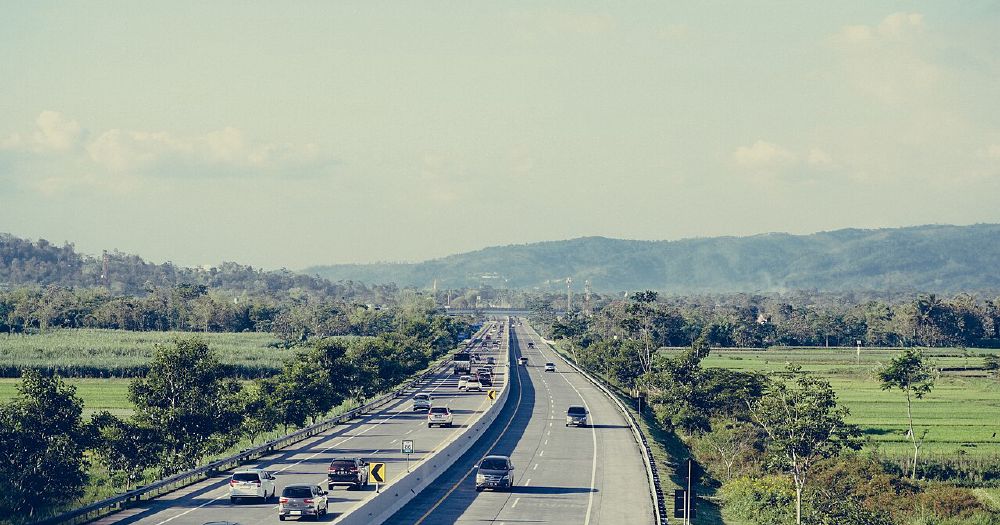
Road conditions on Java are variable. The Malang-Surabaya corridor, for example, can see significant congestion around peak commuting hours, market days, and holiday travel windows. A journey that takes a certain number of hours on a quiet weekday morning may take noticeably longer during a Friday afternoon rush or around national holidays. No shuttle operator, regardless of how well-organized, can fully insulate passengers from traffic on shared roads.
The sensible approach is to treat published travel times as baseline estimates rather than guarantees. If you have a flight, a train connection, or a meeting at the destination, build in a buffer. Experienced travelers on Java routes generally recommend arriving at your destination city with at least an hour of flexibility when timing is critical. That buffer costs nothing if traffic cooperates and saves you considerable stress when it does not.
Getting the Most from Your Cititrans Malang Experience
The gap between myth and reality with Cititrans Malang is mostly a gap in information. The service is structured, bookable in advance through multiple channels, and meaningfully different from a conventional public bus — but it still operates on real roads with real traffic, and it rewards passengers who plan accordingly.
Confirm your pickup point, book ahead during busy periods, and give yourself time on arrival. Those three habits cover the majority of situations where travelers run into trouble, and they apply whether you are a first-time rider or a frequent traveler on Java's intercity routes.