Bakso Malang Explained: A Complete Beginner's Guide to This Indonesian Classic
If you have ever wandered through an Indonesian food court or scrolled through travel videos about Java, you have almost certainly come across a bowl of bakso. But bakso malang is a specific and particularly beloved version of this dish, and it deserves its own introduction. Named after the city of Malang in East Java, this hearty soup has earned a devoted following far beyond its hometown, appearing in restaurants, food stalls, and home kitchens across Indonesia and increasingly around the world.
For anyone new to Indonesian cuisine, bakso malang can feel like a lot to take in at first. There are unfamiliar ingredients, a variety of toppings, and a whole culture of customization that can seem overwhelming. This guide breaks everything down in plain terms so you can understand what bakso malang actually is, what goes into it, and how to enjoy it whether you are eating at a local warung, ordering from a restaurant abroad, or attempting to make it at home.
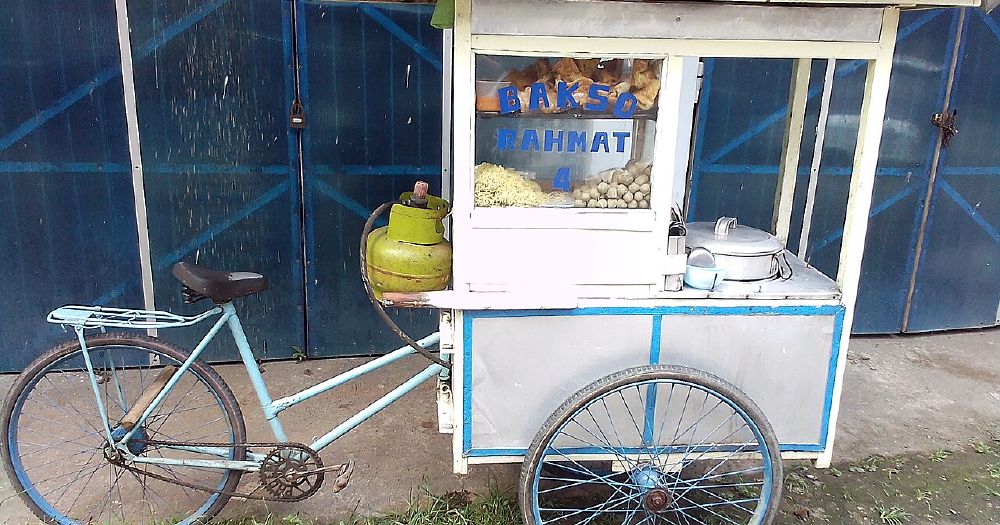
What Bakso Malang Actually Is
Bakso is the Indonesian word for meatball, derived from the Hokkien Chinese term for minced meat. A bowl of bakso is, at its core, a clear savory broth served with one or more meatballs and a variety of accompaniments. The Malang style distinguishes itself by offering an especially wide and generous array of toppings and add-ins, making it one of the more elaborate regional variations in Indonesia.
The meatballs themselves are the centerpiece. Traditional bakso are made from finely ground beef mixed with tapioca starch, which gives them a uniquely springy, bouncy texture that sets them apart from Western-style meatballs. The starch acts as a binder and creates that characteristic chew. In bakso malang, you will often find several types of meatballs in a single bowl, ranging in size from small to large, and sometimes stuffed with ingredients like egg or cheese.
What really sets bakso malang apart from simpler versions of the dish is the sheer variety of components. A typical serving might include fried tofu, fried dumplings called siomay, noodles, rice cakes known as lontong, and crispy fried wontons alongside the meatballs. The broth is usually a clear beef or bone broth seasoned with garlic, salt, and white pepper, kept light so it does not compete with the toppings.
Key Ingredients and How They Work Together
Understanding the building blocks of bakso malang helps you appreciate why the dish works so well. Each component plays a role, and knowing what to expect makes ordering or cooking far less intimidating.
The broth is the foundation. A good bakso broth is made by simmering beef bones for an extended period, which extracts collagen and flavor without making the liquid cloudy or heavy. The result is a clean, savory soup that ties all the other elements together without overwhelming them.
Here are the most common components you will encounter:
- Bakso sapi — standard beef meatballs, the most common type
- Bakso telur — a larger meatball with a whole or partial egg inside
- Tahu goreng — fried tofu squares that soak up the broth beautifully
- Mie kuning — yellow egg noodles, the most traditional noodle choice
- Bihun — thin rice vermicelli, often offered as an alternative to egg noodles
- Siomay — steamed or fried dumplings with a soft, savory filling
- Kerupuk — fried crackers added for crunch
- Lontong — compressed rice cakes that add a soft, starchy element
The dish is finished tableside with condiments. Sambal (chili sauce) and kecap manis (sweet soy sauce) are the standard additions, and most diners adjust these to personal taste. A squeeze of lime juice and a sprinkle of fried shallots are also common finishing touches.
How to Order, Eat, and Enjoy Bakso Malang
One of the appealing things about bakso malang is how customizable it is. When you sit down at a bakso stall or restaurant, you are typically not ordering a fixed dish but rather building your bowl. The vendor or server will ask which noodle you prefer, how many and which types of meatballs you want, and which extra toppings to include. Do not be shy about pointing at things if there is a language barrier — most bakso vendors are accustomed to helping newcomers navigate the options.
The proper way to eat bakso malang is to mix a small amount of sambal and kecap manis into the broth first, tasting as you go. These condiments dramatically change the flavor profile, so starting with a little and adding more is the smart approach. Some people prefer their bowl mild and savory; others like it spicy and slightly sweet. Both are completely valid.
If you are cooking bakso malang at home, the meatballs are the most technically demanding part. Achieving the right texture requires using very finely processed meat and the correct ratio of tapioca starch. Many home cooks simplify the process by purchasing ready-made bakso from an Asian grocery store and focusing their energy on making a rich, well-seasoned broth and assembling a good variety of toppings. This is a perfectly reasonable approach and still produces a deeply satisfying bowl.
A Dish Worth Exploring
Bakso malang is more than just a bowl of soup. It is a window into Indonesian food culture, where generosity, customization, and communal eating are built into every meal. The dish rewards curiosity: the more you try different combinations of toppings and condiments, the more you understand why it has such a loyal following.
Whether you encounter it at an Indonesian restaurant, a street food festival, or a friend's dinner table, you now have the knowledge to appreciate what is in front of you. Start with a classic bowl, adjust the sambal to your comfort level, and enjoy the process of discovering a dish that has been bringing people together in Malang and beyond for generations.